

Investing can feel overwhelming, especially for beginners. One of the simplest and most effective ways to start is through a Systematic Investment Plan (SIP). SIP allows you to invest small amounts regularly in mutual funds, helping you build wealth over time without worrying about market timing.
In this article, we’ll understand SIP, its benefits, how it works, and see examples with tables for better clarity.
A Systematic Investment Plan (SIP) is a method of investing a fixed amount at regular intervals (monthly/quarterly) into a mutual fund scheme. Instead of investing a lump sum, SIP helps you spread out investments, reduce risks, and harness the power of compounding.
Example:
If you invest ₹5,000 every month into an equity mutual fund, the amount gets auto-deducted and units are allotted based on the prevailing NAV (Net Asset Value).
Here’s how a typical SIP works:
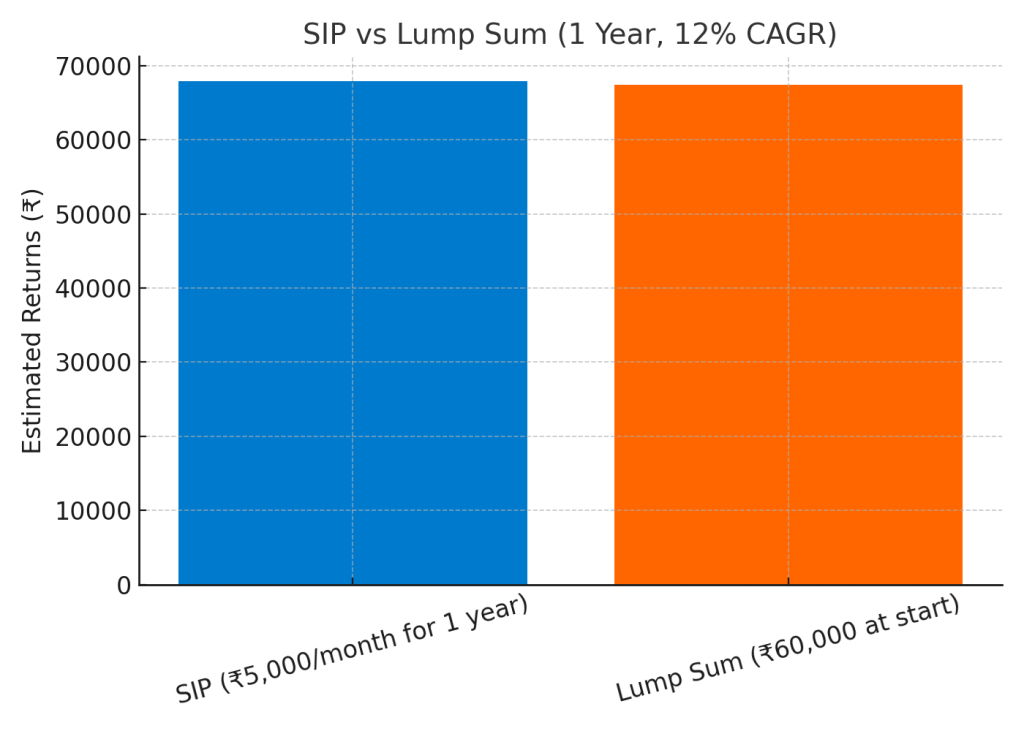
👉 Comparison Table: SIP vs Lump Sum
| Particulars | SIP (₹5,000/month for 1 year) | Lump Sum (₹60,000 at start) |
|---|---|---|
| Total Investment | ₹60,000 | ₹60,000 |
| Market Volatility Impact | Averaged out (Rupee cost averaging) | High (depends on entry time) |
| Returns (Assume 12%) | ~₹67,900 | ~₹67,400 |
| Advantage | Reduces timing risk | Works better if markets rise steadily |

👉 Illustrative Example – Power of Compounding
| SIP Amount | Duration | Total Investment | Estimated Value @12% CAGR |
|---|---|---|---|
| ₹10,000 | 10 years | ₹6,00,000 | ~₹11,61,695 |
| ₹10,000 | 20 years | ₹12,00,000 | ~₹49,96,965 |
| ₹10,000 | 30 years | ₹18,00,000 | ~₹1,76,49,338 |
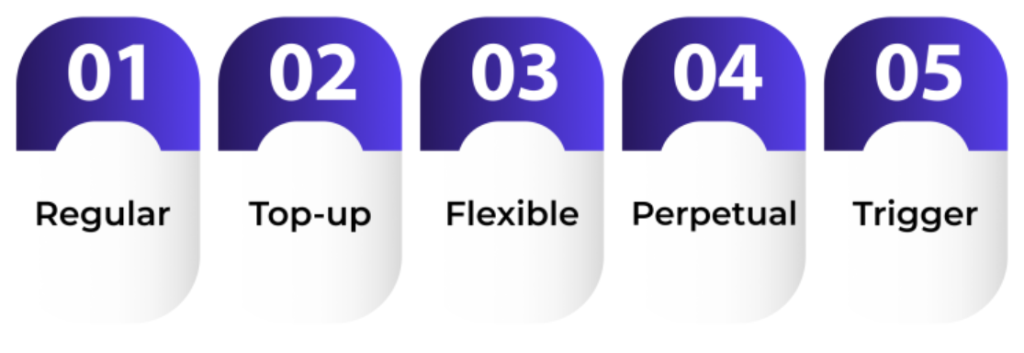
SIPs are ideal for:
👉 Child Education (15 years away)
| Goal Cost (Future Value) | ₹25,00,000 |
|---|---|
| Duration | 15 years |
| Expected Return (CAGR) | 12% |
| Required SIP | ~₹7,800/month |
👉 Retirement Corpus (25 years away)
| Goal Corpus (Future Value) | ₹2 Crore |
|---|---|
| Duration | 25 years |
| Expected Return (CAGR) | 12% |
| Required SIP | ~₹12,000/month |
Picking the right mutual funds for your SIP is all about finding what fits your needs.

Just a heads-up: while SIPs are a great investment tool, they’re not tax-free. The taxes you pay depend on the type of fund, how long you invest, and your earnings. So, make sure to weigh all these factors before jumping in.

Q1: Is SIP better than FD?
SIP (Systematic Investment Plan) and FD (Fixed Deposit) are different ways to invest. SIP involves regularly investing a fixed amount. FD, on the other hand, requires a lump sum investment for guaranteed returns and capital preservation.
Q2: Can I invest 1000 ₹ per month in SIP?
Yes, you can invest 1000 ₹ per month in SIP. Many mutual fund schemes allow SIP starting with a minimum amount of 500 ₹ or 1000 ₹ per month.
Q3: Can I withdraw SIP anytime?
Yes, you can withdraw your SIP investments anytime, except when there’s a lock-in period, such as with tax-saving ELSS funds. However, you need to be aware of the potential exit load.
Q4: Is SIP or lumpsum better?
SIP and lumpsum are both suitable for mutual fund investments, depending on your affordability, risk tolerance, and market conditions. SIP is ideal for investing small amounts regularly, whereas lumpsum works well if you have a significant amount to invest for long time.
Q5: What is SIP investment?
SIP, or Systematic Investment Plan, is a disciplined way to invest in mutual funds by contributing a fixed amount at regular intervals.

SIP is one of the smartest ways to invest in mutual funds. It makes investing affordable, disciplined, and effective in building wealth over time. Whether your goal is retirement, education, or financial freedom, starting early with SIP ensures the power of compounding works in your favor.


Disclaimer:- Mutual Fund investments are subject to market risks, please read scheme related documents carefully before investing.
📅 Last Updated on: October 3, 2025
 Sushil Bajaj
 Abakkus Large & Mid Cap Fund NFO 2026 | Invest Online Overview Strategy Portfolio Performance FAQs Invest Now Abakkus Large & Mid Cap Fund NFO Period: Jul 15, 2026 – Jul 29, 2026 | Large & Mid Cap Investment Objective: To generate long-term capital appreciation through a portfolio predominantly invested in equity and equity related […]
Baroda BNP Paribas Services Fund NFO | Invest Online Overview Strategy Portfolio Performance FAQs Calculator Invest Now Baroda BNP Paribas Services Fund – NFO 2026 NFO Period: July 14 – July 28, 2026 | Category: Thematic – Services Actively managed equity fund targeting long-term capital appreciation from companies engaged in the services theme. Invest in […]
© Copyright 2025 - All Rights Reserved | Website developed by Behind Methods Co.
 +91 931-5120-004
